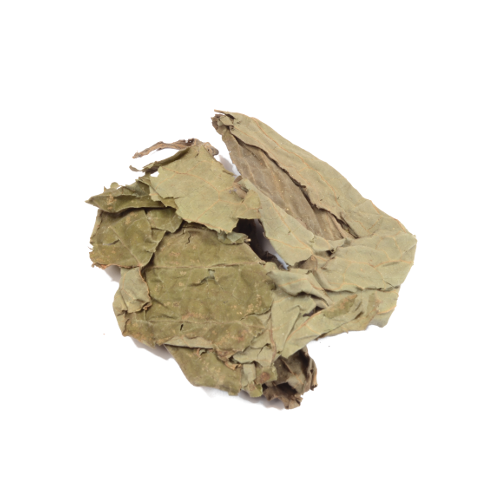
Salvia is the shortest story on this site. In a survey of 500 people, the main effects of smoked salvia lasted around 14 minutes on average, and in a controlled study people talked, laughed and moved more than on a placebo (Baggott et al. 2010; Addy 2012). That combination, a brief and strange experience followed by laughing about it, is behind this composite.
The setup
It happened on a sofa in a living room with the furniture pushed back. The person in the story sat low, with cushions on both sides and nothing breakable within reach. The sitter, a friend who took nothing, sat on a chair a metre away with a watch, a notebook and a cheese sandwich, because it was lunchtime and nobody had thought about how that might look.
They had agreed the rules beforehand: stay seated, the sitter does not touch unless needed, no standing up until the sitter says so. Reports in which things go wrong with salvia usually involve someone standing up, walking or being near stairs, an open window or traffic.
The page turns
The first thing was a pull. Within half a minute the room tilted to the left, slowly and completely, the way a page turns in a book. It did not feel like dizziness. It felt like the room was a surface and someone was turning it over to read the back.
Laboratory studies describe changes in spatial orientation and a sense of pressure on the body (Johnson et al. 2011), and published user reports describe the same kind of motion: being pulled sideways, folded or rolled, as if the room were a material.
The sandwich
The sitter took a bite of the sandwich. This was, from the other side, a serious event. The sitter no longer looked like a person but like a section of a larger picture in which the sandwich, the sitter's hand and the wallpaper were all one connected thing. It did not feel threatening. It felt obvious, as if it had always been like this and the separate objects had been a misunderstanding.
The sitter wrote down the time: one and a half minutes. Nothing in the room had changed. The person on the sofa was staring at the sandwich with total concentration.
A sentence on the floor
Around four minutes in came the urge to explain. It felt crucial. The words that came out were: "The floor is a sentence." Then, after some effort: "We are in it." The sitter nodded and wrote it down, which is exactly what a sitter is for.
Struggling to put the experience into words is a recurring detail in salvia reports. People often describe knowing something with great certainty while being unable to put it into normal language.
Click
At about seven minutes the room clicked back into place, almost audibly. The wall was a wall. The sitter was a friend. The sandwich was a cheese sandwich, half eaten. This was so funny that the laughing lasted several minutes, and every time it slowed down one of them said "sandwich" and it started again.
By fifteen minutes it was over. What remained was a light, slightly confused feeling and a page in the notebook with three words on it: sandwich, page, sentence. Neither of them could explain it later, and both agreed that this was a perfectly good outcome.
What the funny version hides
Not every salvia story ends with laughing. Some people find the loss of contact with the room frightening, and a small share of survey respondents reported anxiety lasting a day or more. The short duration does not make it light. For a slower story, read the afternoon the kitchen clock slowed down; for a long and difficult one, read the ceremony that was mostly hard work.